 Touchline Sport
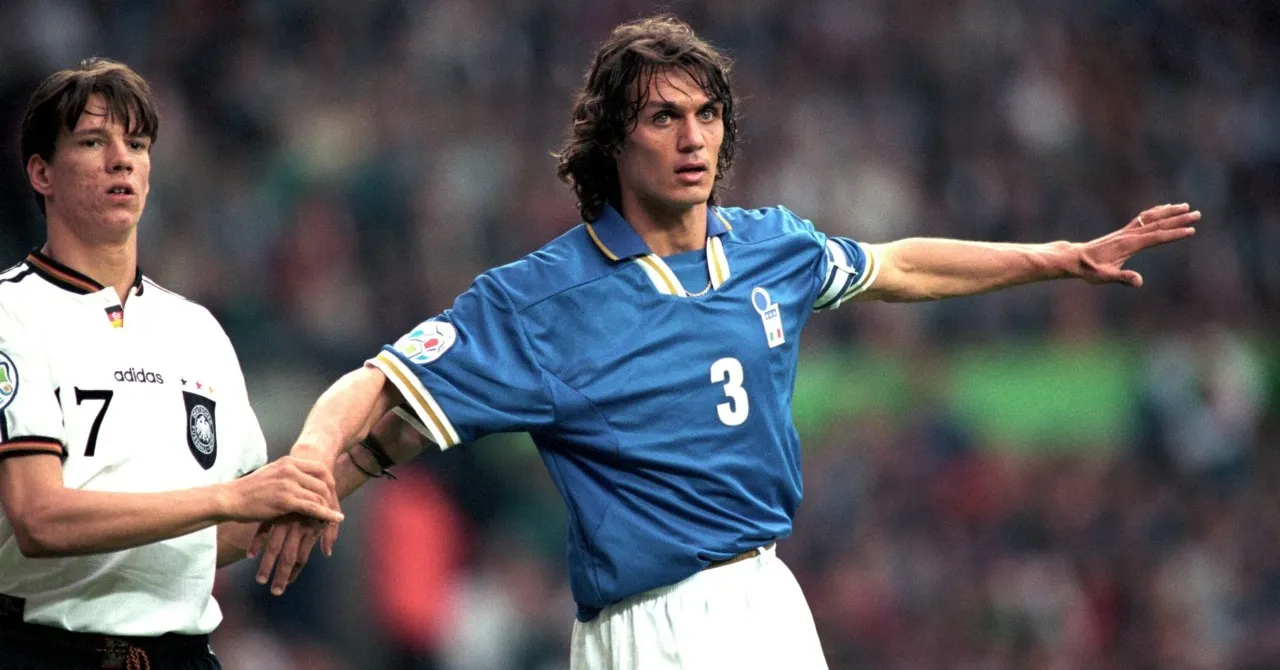
There was something brilliant about international football when countries genuinely seemed to play different versions of the same game.
You’d see Brazil in yellow and expect somebody to try something you probably shouldn’t attempt in your own five-a-side match. Italy could make defending feel like an art form rather than something teams did while waiting to get the ball back. The Netherlands seemed determined to prove that positions were more of a suggestion than a rule. Even before you knew every player, there was often something recognisable about the football.
A lot of that was stereotype, of course. Brazil weren’t always attacking, Italy weren’t always defensive and the Dutch didn’t spend every tournament recreating 1974. But those stereotypes grew from something real enough that the shirt could tell you a little about what was coming.
That’s much harder now.
Brazil have been coached by Carlo Ancelotti. England turned to Thomas Tuchel. The Netherlands have looked outside their own coaching tradition too. Players spend their club careers moving between countries and learning from managers from everywhere.
International football still has personality. It just doesn’t always feel like the personality belongs to the country anymore.
The old styles were never completely home-grown
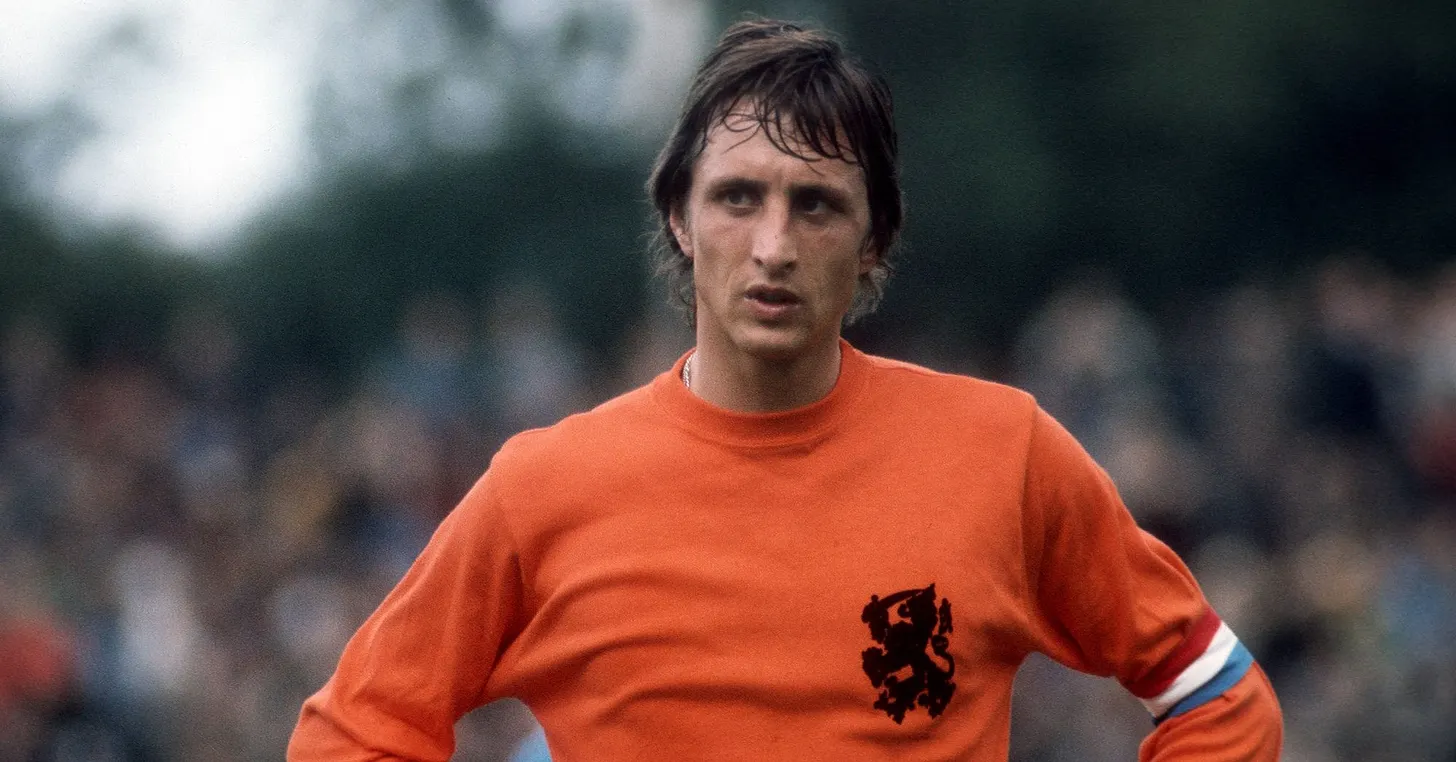
There is a temptation to remember the great national styles as though they grew naturally from the place itself. Brazil invented Brazilian football. The Netherlands invented Total Football. Italy invented defending and then spent decades perfecting ways of making a 1-0 lead feel completely safe.
It was never quite that simple.
Brazilian football had been shaped by foreign coaches long before Ancelotti arrived. Hungarian figures such as Dori Kürschner and Béla Guttmann worked in Brazil and brought ideas from Europe with them. By the time Mário Zagallo led the great 1970 side, the football was beautiful, but it was also organised. Pelé, Jairzinho, Rivellino and Tostão weren’t simply wandering around waiting for inspiration. There was structure behind all of it.
The Dutch story has outside fingerprints too. Rinus Michels and Johan Cruyff made Total Football famous, but Ajax had already been influenced by the English coach Jack Reynolds, while Hungarian football had helped reshape ideas about movement and positions across Europe.
Helenio Herrera, the manager most closely associated with Inter and catenaccio, wasn’t even Italian. He was born in Argentina and had coached in France and Spain before arriving in Milan.
Countries were always borrowing from each other. The difference was that the ideas had time to settle, change and become part of the local football culture before everybody else got hold of them.
Players don’t grow up inside one football culture anymore
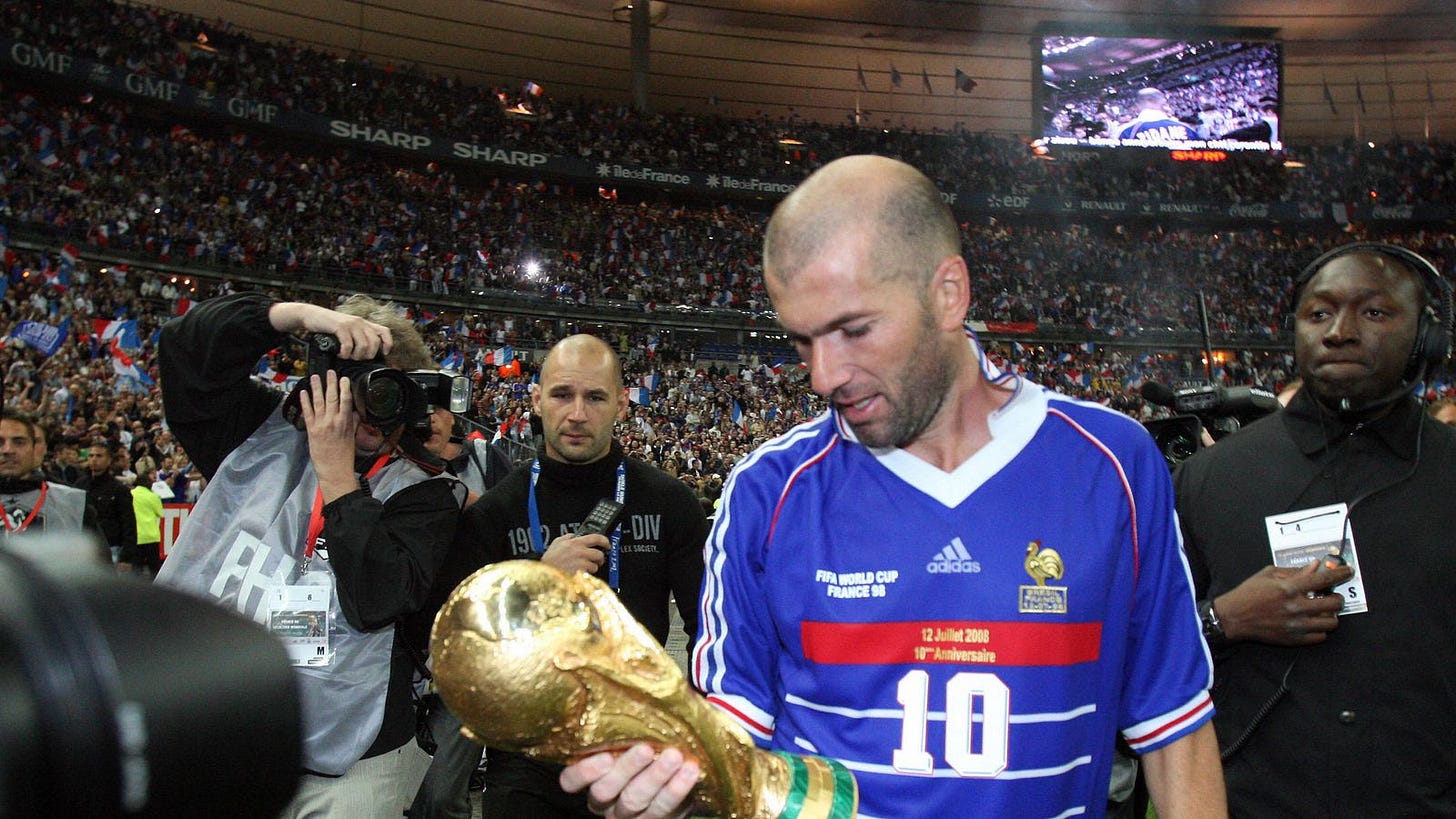
That time has almost disappeared.
More than 3,000 Brazilian footballers played abroad across 135 leagues during the five years to 2025. France and Argentina also had thousands of players developing careers outside the countries where they first learned the game.
Think about what that means for a national style.
A Brazilian winger might leave home at 18 for Portugal, move to England at 21 and spend the next decade working with Spanish, Italian, German or Portuguese coaches. His teammates might come from another ten countries. By the time he reports back for Brazil, most of his senior football education has happened somewhere else.
The same is happening with coaches. Managers move countries constantly, assistants follow them, analysts change clubs and academy staff share ideas in a way that would have been impossible a few generations ago. FIFA is actively trying to spread better coaching around the world through its development programmes.
There’s nothing wrong with that. Quite the opposite. Better ideas should travel.
But every time they do, the differences get a little smaller.
A good idea discovered in Amsterdam no longer stays Dutch for twenty years. Someone in Manchester, Lisbon, Barcelona or Buenos Aires is probably trying it by next season.
Football has become very good at learning from itself

That is probably the biggest change.
The Netherlands in 1974 could look genuinely strange to opponents because players moved in ways that weren’t familiar. Defenders stepped forward, attackers dropped deep and positions changed constantly. Teams hadn’t spent the previous six months watching variations of it every weekend.
Now almost nothing stays unusual for very long.
Brazil still produce wonderful dribblers. Vinícius Júnior can receive the ball, square up a defender and make a stadium expect something. That hasn’t disappeared. But he has also spent his club career working inside European tactical systems, learning when to press, where to move and what his manager wants when Brazil don’t have the ball.
Italy changed in the same way. Arrigo Sacchi arrived at Milan in the late 1980s and pushed against the idea that Italian football had to sit deep and defend. His teams pressed high, played aggressively and tried to control opponents much further from their own goal.
Then everybody watched and learned.
Spanish football took ideas from the Dutch. Guardiola took Cruyff’s ideas and changed them again. German coaches influenced England. Italian managers became known for attacking football as well as defensive organisation.
Football has always copied what works.
Now it does it so quickly that nobody gets to keep anything for themselves.
I miss not knowing what was coming
Football is probably better coached because of all this. Players are better prepared, countries can learn from each other and smaller nations have access to knowledge that once sat inside a handful of powerful football cultures.
But I still think we’ve lost something.
The World Cup used to feel like different versions of football arriving in the same place. Brazil against Italy wasn’t just two good teams. It felt different because you expected them to approach the game differently. When the Netherlands arrived in 1974, they weren’t simply another side with good players. They showed people something that felt new.
That was part of the excitement.
You could spend four years hearing about Brazilian football and then finally see Brazil. You could wonder whether Italian defending would survive against somebody completely different. You could watch the Dutch and feel as if you were being shown another way of playing.
Now players spend most of the year sharing dressing rooms, coaches and ideas with the same people they meet at international tournaments. They know each other’s football because, in plenty of cases, it’s their football too.
The differences haven’t vanished. Brazil can still produce a player who gets the ball and makes you sit forward. Italy still takes defending seriously. Dutch football still cares deeply about technique, movement and space.
They just don’t feel as separate anymore.
And that is what I miss.
Not some perfect version of Brazil from 1970 or a Netherlands side trying to recreate Cruyff every four years. Just the feeling that when another country walked onto the pitch, they might show you football in a way you hadn’t seen before.
The World Cup used to give us that feeling more often.
I wish it still did.
If this one landed, the newsletter’s where the rest of it lives — two or three pieces a week, no noise.
Subscribe