 Touchline Sport
There is a strange guilt attached to simply watching a football match now.
No second screen. No Twitter open. No checking FotMob to see whether the midfielder you thought was playing well has actually been given a 6.4. No tactical thread explaining why the goal you just watched was apparently inevitable because somebody occupied the wrong half-space.
Just football.
Mad stuff.
Ofcom found that UK adults spent an average of four hours and 30 minutes online every day in 2025. For 18-to-24-year-olds it was six hours and 20 minutes, while smartphones accounted for most of that time. The average smartphone user also used 41 different apps in a month.
So perhaps football never really stood a chance.
Every bad touch can be clipped. Every substitution can become discourse. Every defeat requires an emergency podcast before the players have finished showering. A 19-year-old can go from “generational” to “needs a loan to Strasbourg” between Saturday lunchtime and Match of the Day.
Football has always been emotional. Thank God for that.
But we are increasingly watching it through interruptions. The match is on, but so is Twitter, FotMob, the group chat, fantasy football and whatever argument has broken out because somebody thinks the left-back should have tracked the runner.
Kevin De Bruyne once summed up part of the problem brilliantly when he called pass completion “the most useless statistic there is”. His point was that he could finish with 96% pass accuracy by going sideways and backwards all game without actually threatening anybody.
Which is probably worth remembering the next time an app gives someone an 8.1 and we all pretend that settles it.
Everyone Loves A Project Until October
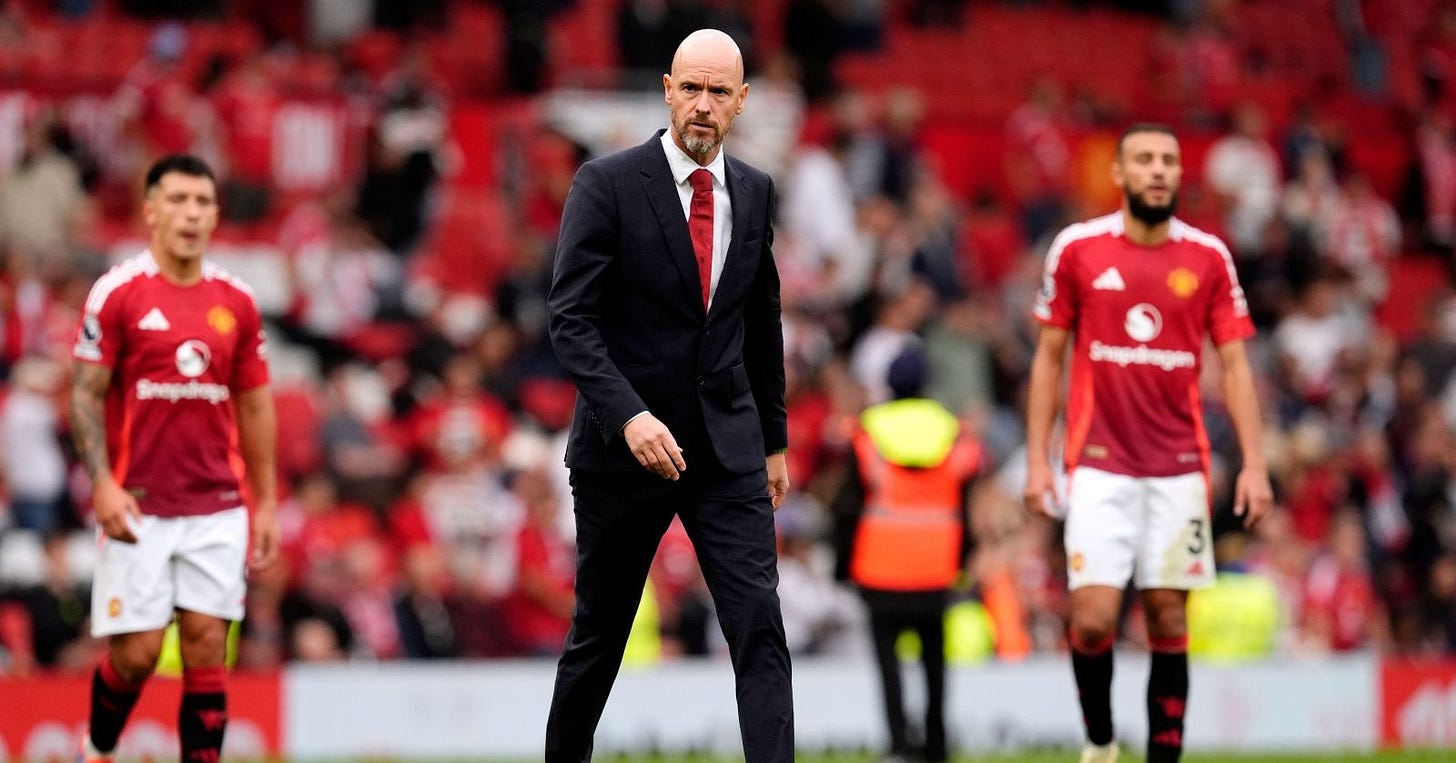
Every club has a project these days.
Nobody simply signs players anymore. There are recruitment strategies, development pathways, football identities and multi-year plans.
Then you lose three games and somebody starts checking whether Graham Potter is available.
CIES looked at 55 leagues around the world in May 2026 and found that 65.2% of clubs had changed head coach at least once in the previous year. In Cyprus, every single top-flight club had done it. In Norway, only three of 16 had.
Obviously some managers need sacking. If you are bottom of the league in March with eight points, nobody wants to hear about trusting the tactical principles.
Still, two thirds is some turnover for an industry that never stops talking about continuity.
And this is where the online reaction machine fits in.
Jürgen Klopp once joked during a difficult Liverpool spell that reading social media could make you think there was no bigger problem in the world than their midfield. He also made a similar point about Darwin Núñez, saying people assume expensive players somehow stop feeling pressure, when really they are “completely normal human beings”.
That seems fairly obvious until a £60 million forward misses a sitter.
Then all bets are off.
Imagine Developing A £60m 21-Year-Old Quietly
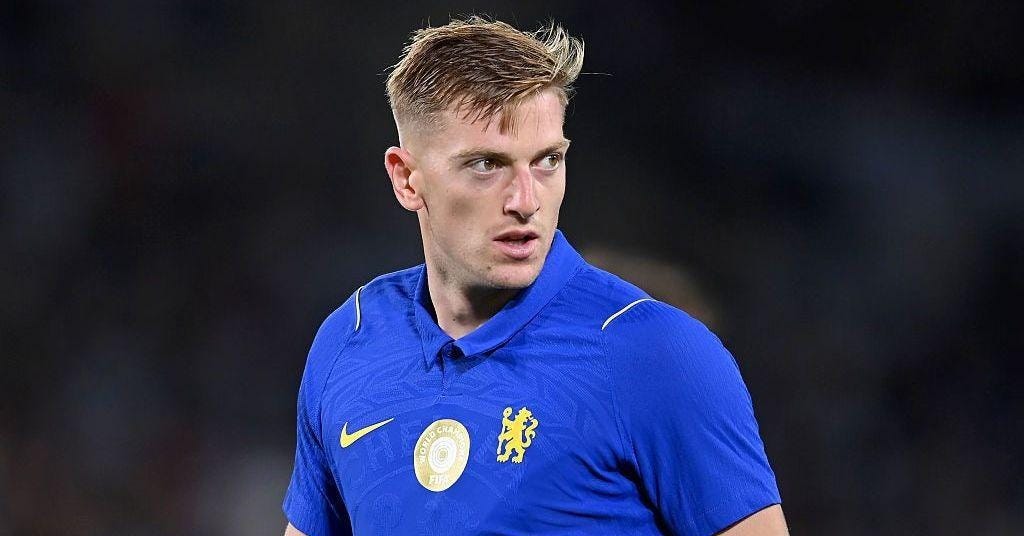
Chelsea probably show the problem better than anyone.
UEFA calculated that their 2024 squad had cost €1.656 billion in transfer fees, making it the most expensive squad ever assembled in European football. They had also signed 41 players across six transfer windows following the Boehly-Clearlake takeover.
There is an idea underneath all of that spending. Buy talented players young, give them long contracts and hopefully build a squad that develops together.
The difficulty is that nobody spends £50 or £60 million on a winger and then happily says, “Sure, give him three years.”
The fee becomes part of the player.
Suddenly a 21-year-old having a bad month is not just a 21-year-old having a bad month. He is evidence that recruitment has failed, the ownership model is broken and somebody on YouTube has probably produced a thumbnail with £1.5BN DISASTER? written across Todd Boehly’s face.
It is even stranger with academy players. Clubs can work with somebody from the age of 10, spend close to a decade developing him and then supporters decide whether he is good enough after three substitute appearances.
Football development operates in years.
Football judgement now operates in minutes.
Darron Gibson found that out long before TikTok existed. He joined Twitter in April 2011 and deleted his account just 97 minutes later after being bombarded with abuse from Manchester United supporters.
Ninety-seven minutes.
Basically one football match plus injury time.
The Boring Clubs Usually Have Something Going For Them
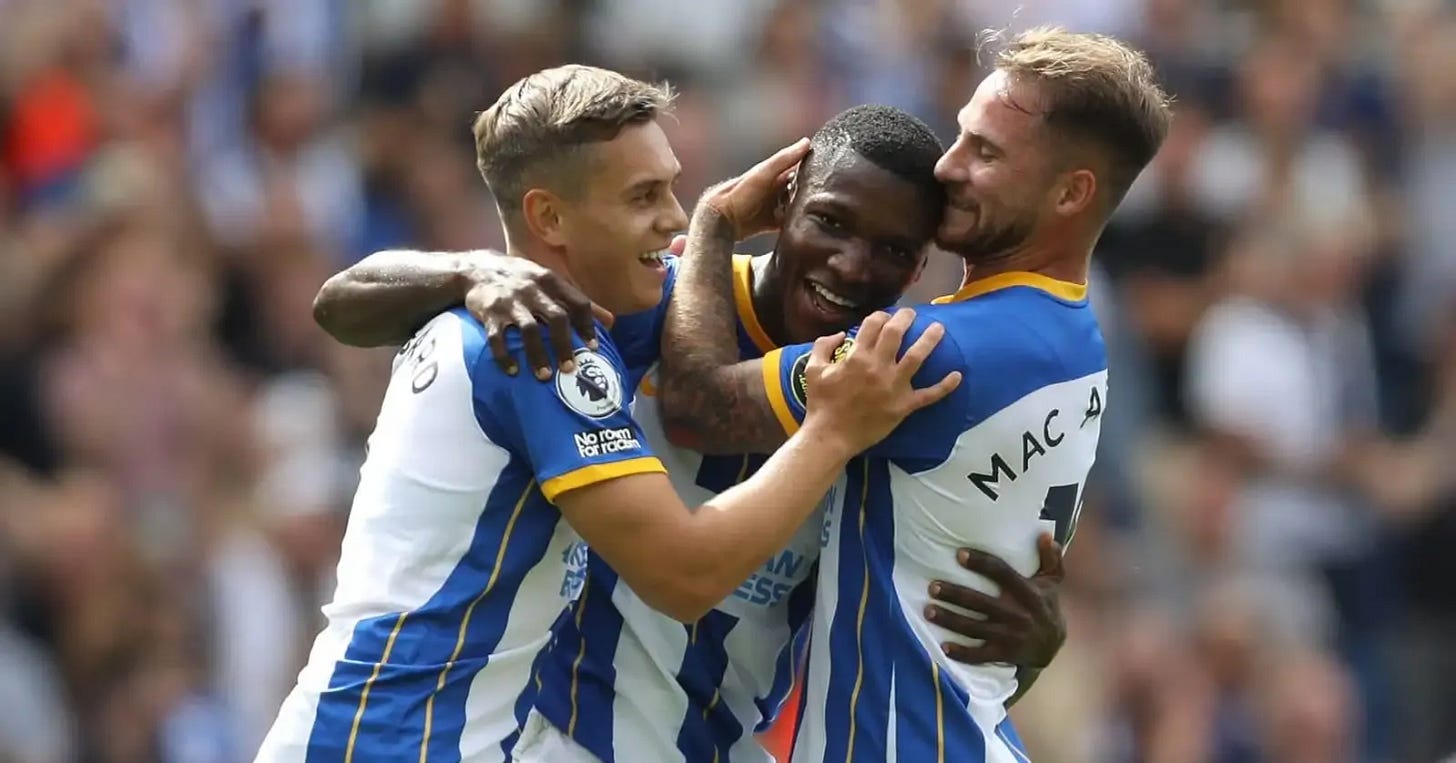
Brighton are useful here because their recruitment became famous for the exciting bit.
Caicedo. Mac Allister. Cucurella.
Then the big transfer fees arrived.
What is more interesting is that Brighton kept going after the players and managers left.
Their 2023/24 turnover reached a club-record £222.4 million, up 762% from their final Championship season, while they recorded a £73.3 million operating profit before interest and tax.
That did not happen because Tony Bloom owns a laptop that flashes BUY ECUADORIAN MIDFIELDER every six months.
It comes from recruitment structures, succession planning, data, scouting and years of making decisions that mostly do not make headlines.
Unfortunately, “club gradually improves recruitment operation over six years” is never beating THIS CLUB IS FINISHED 😱 in the algorithm.
Maybe Just Watch The Match
Clubs do have plenty to panic about, to be fair.
European top-flight clubs generated a record €26.8 billion in revenue in 2023, up €2.9 billion in one year, the biggest annual increase UEFA had recorded.
Missing the Champions League can transform a budget. Relegation can transform a club.
Supporters are also often right when something looks wrong. Nobody is suggesting we all politely applaud terrible recruitment because the sporting director has a five-year PowerPoint.
The problem is how quickly everything becomes a final verdict.
A striker can’t be out of form. He is finished.
A manager can’t make a bad decision. He has been exposed.
A club can’t have an awkward rebuilding season. The project has failed.
We burn through football moments ridiculously quickly now. Every weekend produces a statement win, a crisis, a masterclass, a disasterclass and somebody announcing themselves on the world stage.
By Tuesday, most of it has disappeared.
The football memories that actually stick are usually slower. Watching a young player grow into the team. Realising a manager has gradually changed how his side plays. Following a rebuild where plenty of Saturdays still look absolutely nothing like a rebuild.
Some of football’s best bits involve waiting.
That does not mean football needs less emotion. If your team concedes a 94th-minute winner, lose your head. Blame the referee, the manager, the full-back and every recruitment decision made since approximately 1987.
That is healthy.
Maybe just give it ten minutes before recording the emergency podcast.
Sometimes a terrible performance is simply a terrible performance.
And occasionally it might be nice to watch 90 minutes without immediately deciding what it tells us about the future of football.
Although I am still checking the FotMob ratings afterwards.
If this one landed, the newsletter’s where the rest of it lives — two or three pieces a week, no noise.
Subscribe