 Touchline Sport
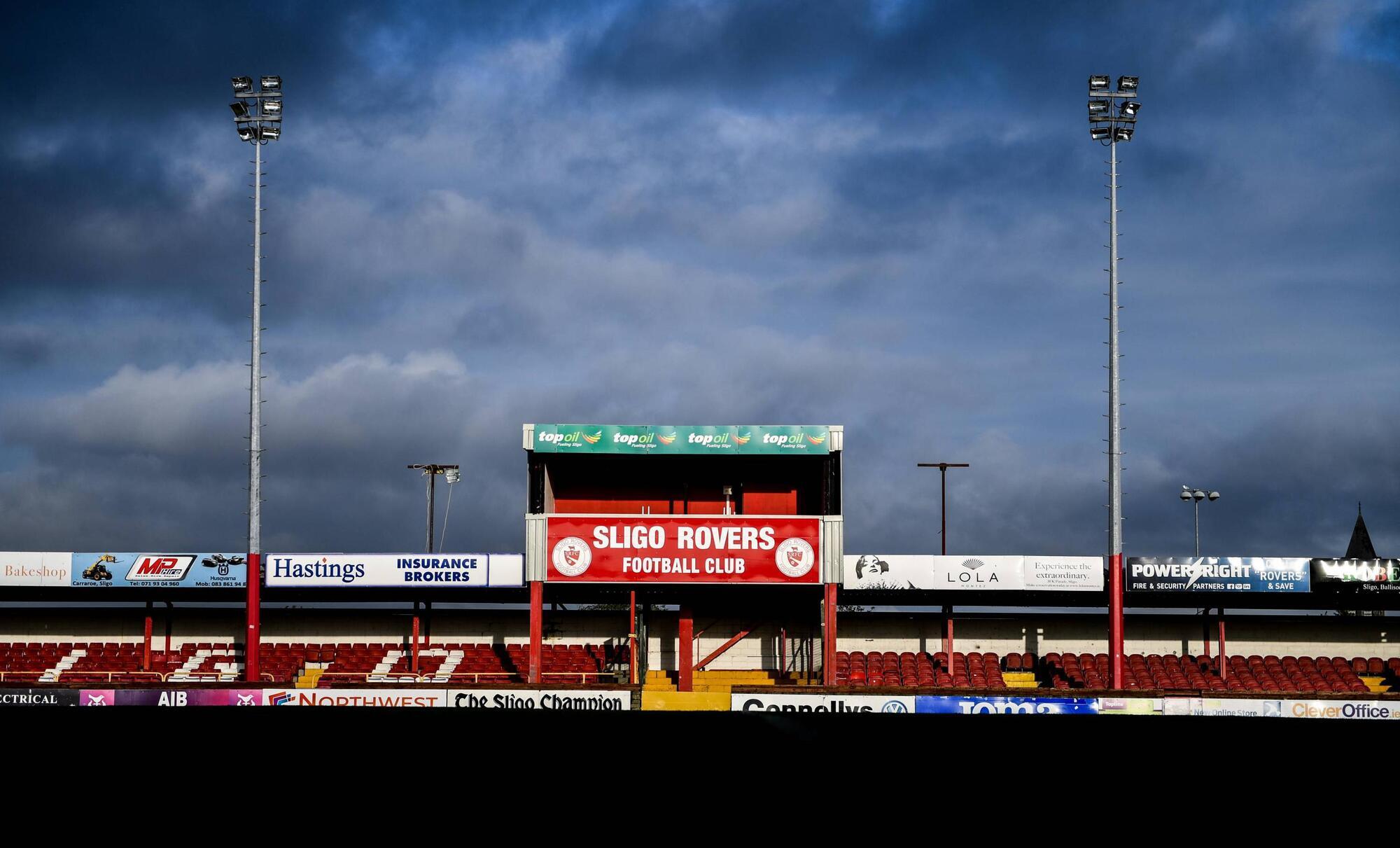
Sligo Rovers members will vote tonight on one of the biggest changes to how the club operates in decades, with a proposal that could eventually bring private investment into the football side while keeping the Showgrounds and majority control in supporter hands.
The plan would see the Sligo Football and Sport Development Society create a separate company to run the men’s team, women’s team and academy. The Society would own 100% of it initially, appoint its directors and retain majority control if investment arrives later. Any such deal would also need member approval, and there is no investor currently lined up.
The Showgrounds would remain outside the company. The Society’s lease runs until June 2064, while the 12-acre site is held in trust for public benefit. Responsibility for the ground, club identity and public funding would remain with the Society, with contracts, ticketing, merchandise and the day-to-day football operation moving into the new business.
For Sligo, that protection carries a little more weight than a line buried in the paperwork. Rovers have played at the Showgrounds since their foundation in 1928, and supporter ownership was in place through one of the greatest periods in the club’s history, including three FAI Cups between 2010 and 2013, the 2012 league title and the 2014 Setanta Sports Cup.
The existing model still produces serious money. This year’s Annual Draw raised €152,330, while the Friends of Sligo Rovers 500 Club has generated more than €2 million since 2003. Few professional clubs could depend on that sort of sustained community fundraising.
There are only so many rising costs that can be answered with another book of draw tickets, though.
Chairman Tommy Higgins says the League of Ireland has changed around Rovers.
“The model we have has served this club well for almost a hundred years. But the football environment we find ourselves in has changed around us.”
Sligo’s finances are not those of a club suddenly collapsing. Their operating budget for 2026 is €2.9 million, income rose 13% in 2025 and the annual deficit fell to €45,000, compared with €299,000 in 2023. Members were nevertheless told at April’s AGM that the club had relied in recent years on an overdraft, loans from committee members and arrangements with suppliers to manage cash flow.
The pressure is easy enough to understand. More League of Ireland clubs now have private capital behind them, while wages, recruitment costs and the rewards available through European football have all increased. Raising €150,000 through an Annual Draw remains hugely impressive. It is considerably harder to recreate the effect of a major cash injection by selling even more tickets around the north-west.
The vote also arrives with Rovers facing relegation after more than two decades in the Premier Division, just as the club prepares for a €22.4 million redevelopment of the Showgrounds. That scheme includes €16.4 million from the Large Scale Sport Infrastructure Fund and €6 million through the Immigrant Investor Programme, with completion targeted for late 2028, Sligo’s centenary year. The club says neither funding stream would be affected by the restructure.
Tonight is only the first stage. The proposal needs 75% approval before progressing to a second meeting in October, where a simple majority would be required. If both votes pass, Sligo intend to transfer their FAI licence to the new operating company ahead of 2027.
After nearly a century of finding ways to fund football through members, volunteers, draws and the 500 Club, Sligo are not being asked to give any of that up tonight.
They are deciding whether there also needs to be room for someone with a much bigger cheque book.
If this one landed, the newsletter’s where the rest of it lives — two or three pieces a week, no noise.
Subscribe