 Touchline Sport
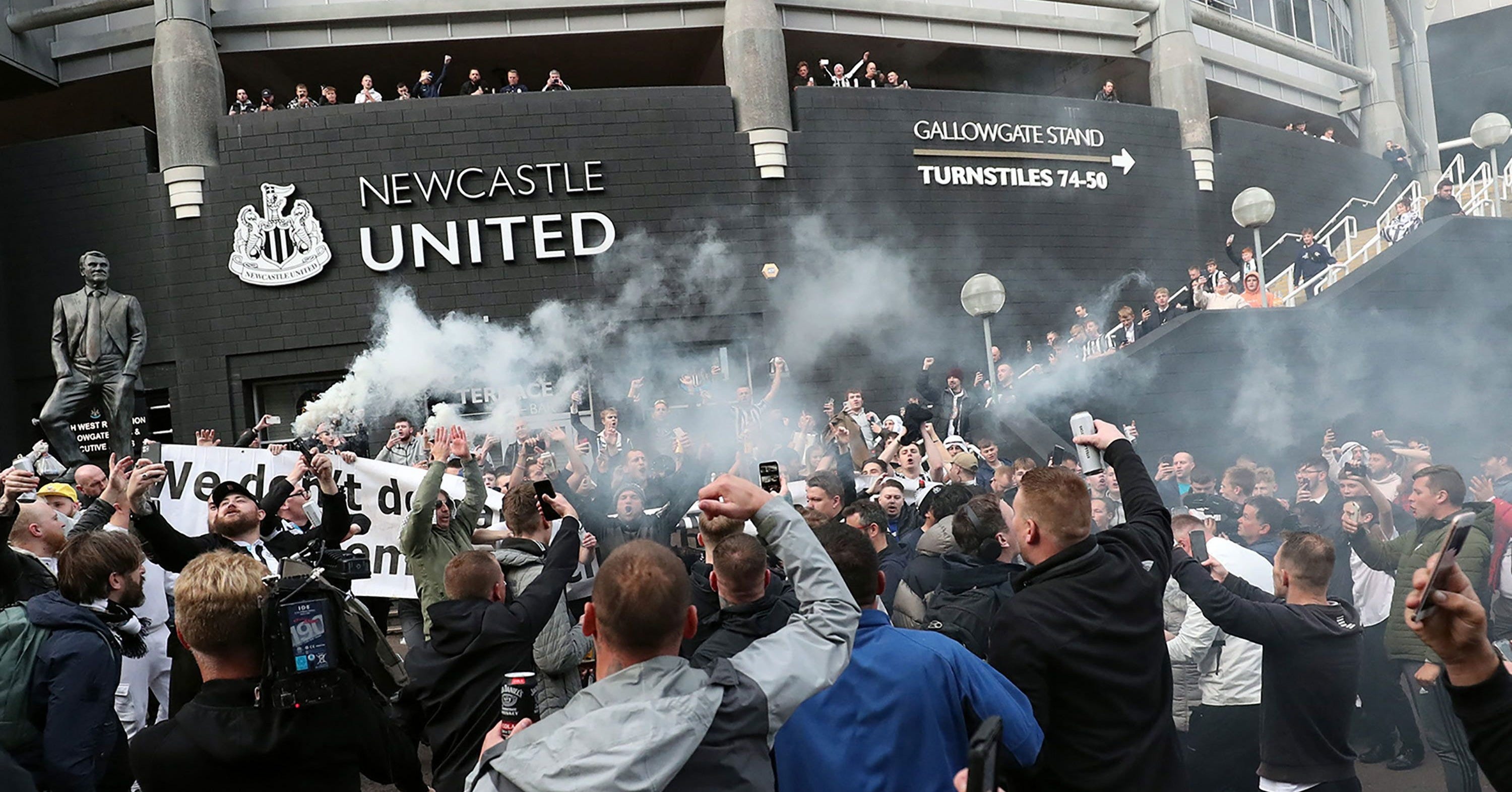
There are not many football clubs where a takeover announcement can lead to thousands of supporters gathering outside the ground like somebody has just announced a trophy parade, but that was Newcastle on 7 October 2021. Mike Ashley’s 14-year ownership was over, Newcastle were 19th in the Premier League, winless and staring at another relegation fight, and for a few hours none of that mattered because PIF had arrived and Newcastle suddenly had one of the richest ownership groups in world football.
The assumption was fairly obvious.
Right then, go and spend.
Roman Abramovich had done it at Chelsea. Sheikh Mansour had done it at Manchester City. Newcastle had finally found the sort of owner who could turn transfer rumours into actual footballers rather than another summer of wondering whether the loan option had a buy clause.
There was just one problem. By the time Newcastle got their billionaire takeover, football had spent the previous decade inventing rules designed to stop billionaire owners spending quite so freely.
Newcastle Arrived After The Spending Free-For-All
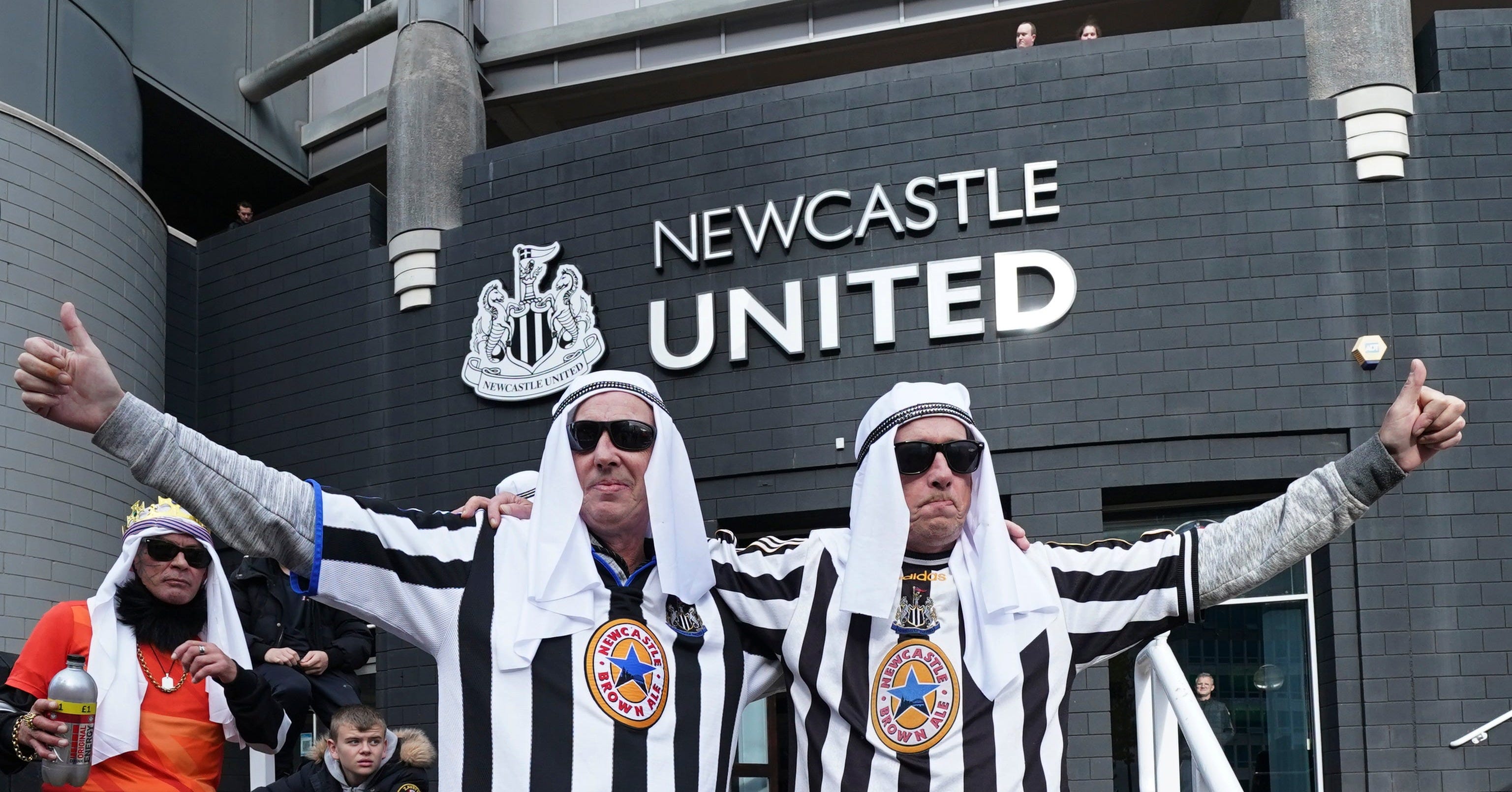
Abramovich arrived at Chelsea in 2003 and spent roughly £175 million in his first season. Manchester City’s Abu Dhabi takeover followed in 2008, with Robinho, Carlos Tevez, Emmanuel Adebayor, Gareth Barry and others arriving in quick succession. Newcastle’s owners came in more than a decade later, with UEFA Financial Fair Play already established, Premier League profitability rules in place and Associated Party Transaction rules introduced shortly after the takeover to ensure owner-linked commercial deals were judged against fair market value.
So yes, PIF had the money. No, Newcastle could not just keep transferring it into midfielders.
They still spent heavily enough. Bruno Guimarães, Alexander Isak, Sven Botman, Anthony Gordon, Sandro Tonali and Tino Livramento all arrived as Eddie Howe took the club from a relegation fight to the Champions League. Newcastle finished fourth in 2022/23, battered PSG 4-1 at St James’ Park the following season and finally ended a 70-year domestic trophy drought by winning the League Cup in 2025.
By January 2026, their net transfer spend since the takeover had reached around £430.6 million. That is an enormous amount of money. It was still only the fifth-highest net spend in the Premier League over that period.
Manchester United, Arsenal, Chelsea and Tottenham had all spent more on a net basis.
For all the talk about limitless Newcastle wealth, four clubs had still managed to beat them to the till.
Then Newcastle Had To Sell Elliot Anderson
June 2024 was probably the moment the whole thing became properly absurd.
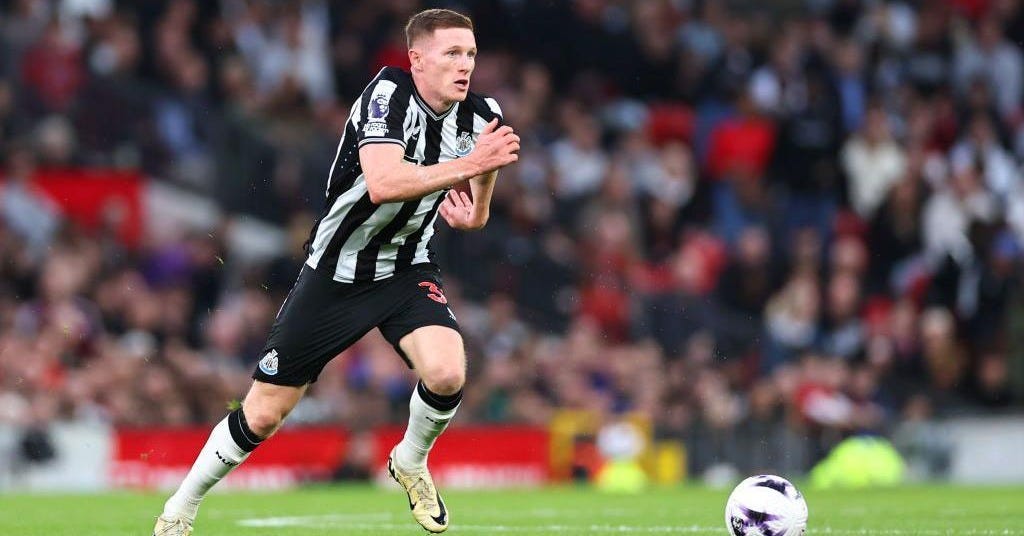
Newcastle needed player sales before the 30 June accounting deadline, so Yankuba Minteh went to Brighton for £30 million without playing a competitive first-team game for Newcastle, while Elliot Anderson, born in Whitley Bay and developed through Newcastle’s academy, joined Nottingham Forest for around £35 million.
Howe later admitted he did not want to lose either player.
So there Newcastle were, backed by one of the world’s largest sovereign wealth funds, effectively watching the clock and trying to find enough accounting profit before midnight.
Football finance really can make you admire the creativity of people who have somehow managed to make being extremely rich feel inconvenient.
The accounts explained why. Newcastle’s profit from player and staff disposals jumped from £2.8 million to £69.8 million in 2023/24, while player amortisation reached £96.7 million and staff costs hit £218.7 million. Those two costs alone came to roughly £315.4 million against turnover of £320.3 million.
That is not a PSR calculation, but it does show how quickly an expensive squad can swallow the revenue growth that was supposed to create more room.
Buying better players had worked.
Buying better players every summer was starting to look like a fairly costly hobby.
Newcastle Have Started Selling Like A Big Club Too
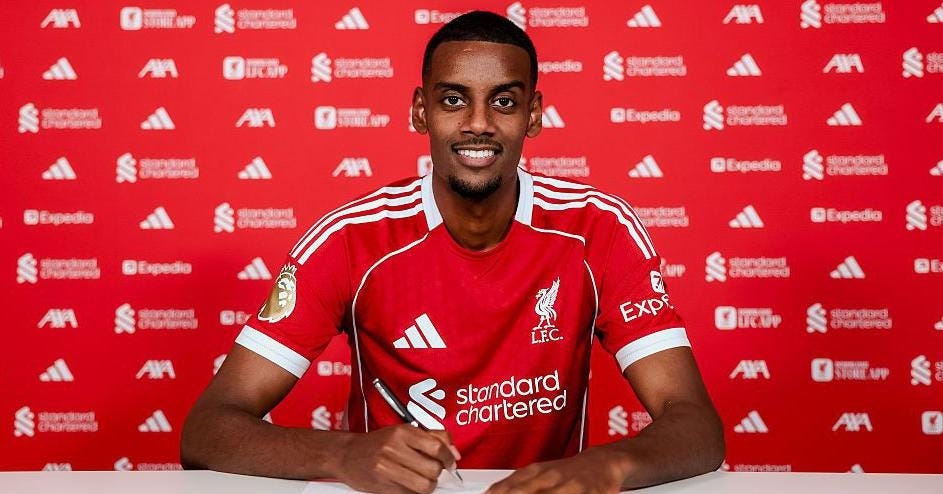
This summer has pushed the point even further. As of 31 August, Newcastle have made seven senior signings for reported fees totalling roughly £224.2 million.
That sounds very PIF-era Newcastle until you look at the outgoing column.
Sandro Tonali moved to Tottenham for a reported £100 million, Bruno Guimarães joined Arsenal for £75 million and Anthony Gordon went to Barcelona for £69.3 million. Joe White and Travis Hernes were also sold for undisclosed fees.
The three disclosed deals alone brought in around £244.3 million, meaning Newcastle are running a minimum reported transfer surplus of about £20.1 million before those other two fees are even counted.
One of football’s richest-backed clubs has somehow become a net seller.
You imagine that was not quite the dream being discussed outside St James’ Park in October 2021.
But it does show how the model has changed. Newcastle are not selling because ambition has disappeared. They are selling because player trading is now part of how ambition gets funded.
Those three major sales alone brought in more than Newcastle’s entire £180 million revenue in 2021/22, the first full accounting year after the takeover.
There are probably more elegant ways to explain why resale value matters now.
None are as effective as selling three footballers for more than your whole club used to make in a year.
The Superclub Bit Is Happening In Club Shops Too
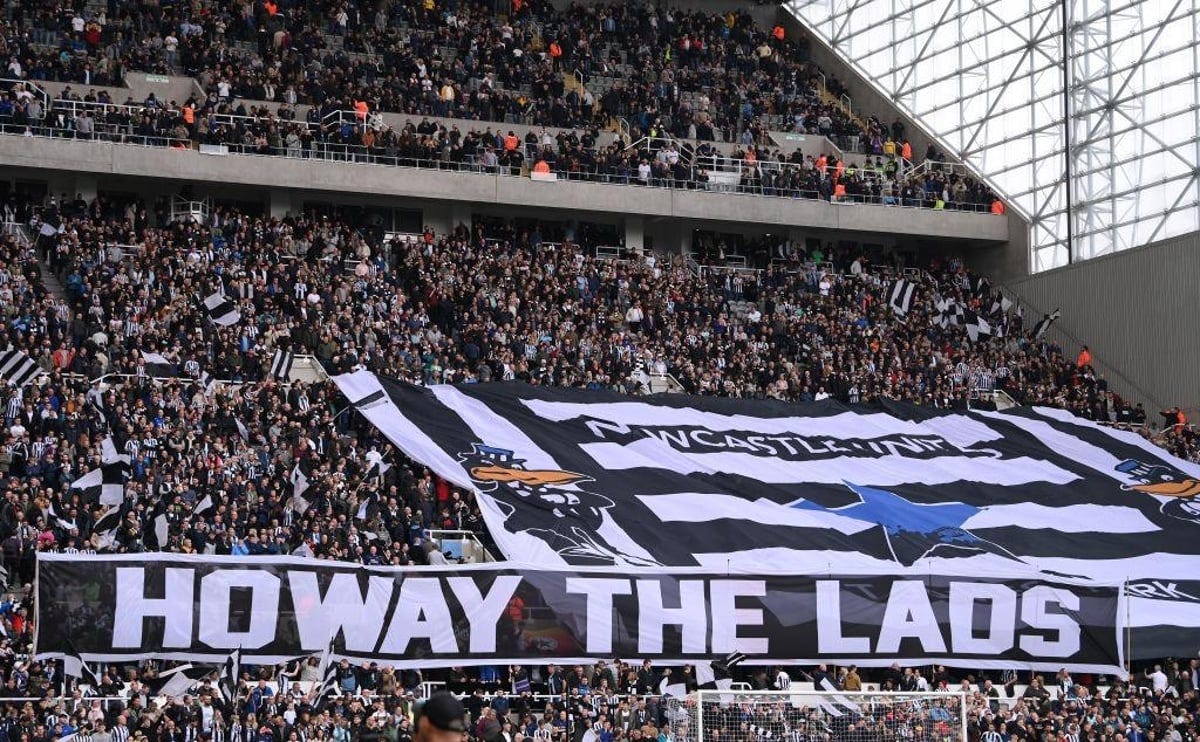
The next stage of Newcastle’s rise is being built in places supporters probably did not dream about on takeover night.
Retail, sponsorship, hospitality, property.
Basically all the things nobody has ever made a compilation video about.
Revenue has climbed from £180 million in 2021/22 to £335.3 million in 2024/25, an increase of roughly 86%. Commercial revenue has moved even faster, rising from £43.9 million in 2022/23 to £120.2 million two years later, an increase of around 174%.
Newcastle brought retail back in-house, reunited with adidas, opened new stores and developed the STACK fan zone beside St James’ Park.
If Newcastle are going to spend more on footballers, they also need to get considerably better at selling shirts, hospitality packages and probably an impressive number of pints.
And they still have a long way to go.
Newcastle ranked only 17th in Deloitte’s 2026 Football Money League, while Manchester City generated around £340.4 million in commercial revenue alone in 2024/25.
Newcastle generated £335.3 million from the entire football club.
That is probably the whole problem in two numbers.
Then there is St James’ Park. Newcastle averaged 52,187 for Premier League matches in 2024/25 in a ground listed at roughly 52,258 capacity. The demand is clearly there. The slight issue is that unless somebody discovers a way of stacking supporters vertically, there are not many more seats left to sell.
That is why Newcastle’s purchase of a substantial majority of neighbouring Leazes Terrace matters. More capacity, more hospitality and more commercial space eventually mean more recurring revenue, and recurring revenue means more room to spend.
It is a strange place for Newcastle to have ended up five years after the takeover.
The supporters outside St James’ in 2021 were celebrating because Newcastle finally had owners rich enough to think much bigger than survival.
They absolutely got that.
The funny bit is that PIF’s money is no longer the difficult part.
Newcastle now have to make Newcastle rich.
If this one landed, the newsletter’s where the rest of it lives — two or three pieces a week, no noise.
Subscribe free