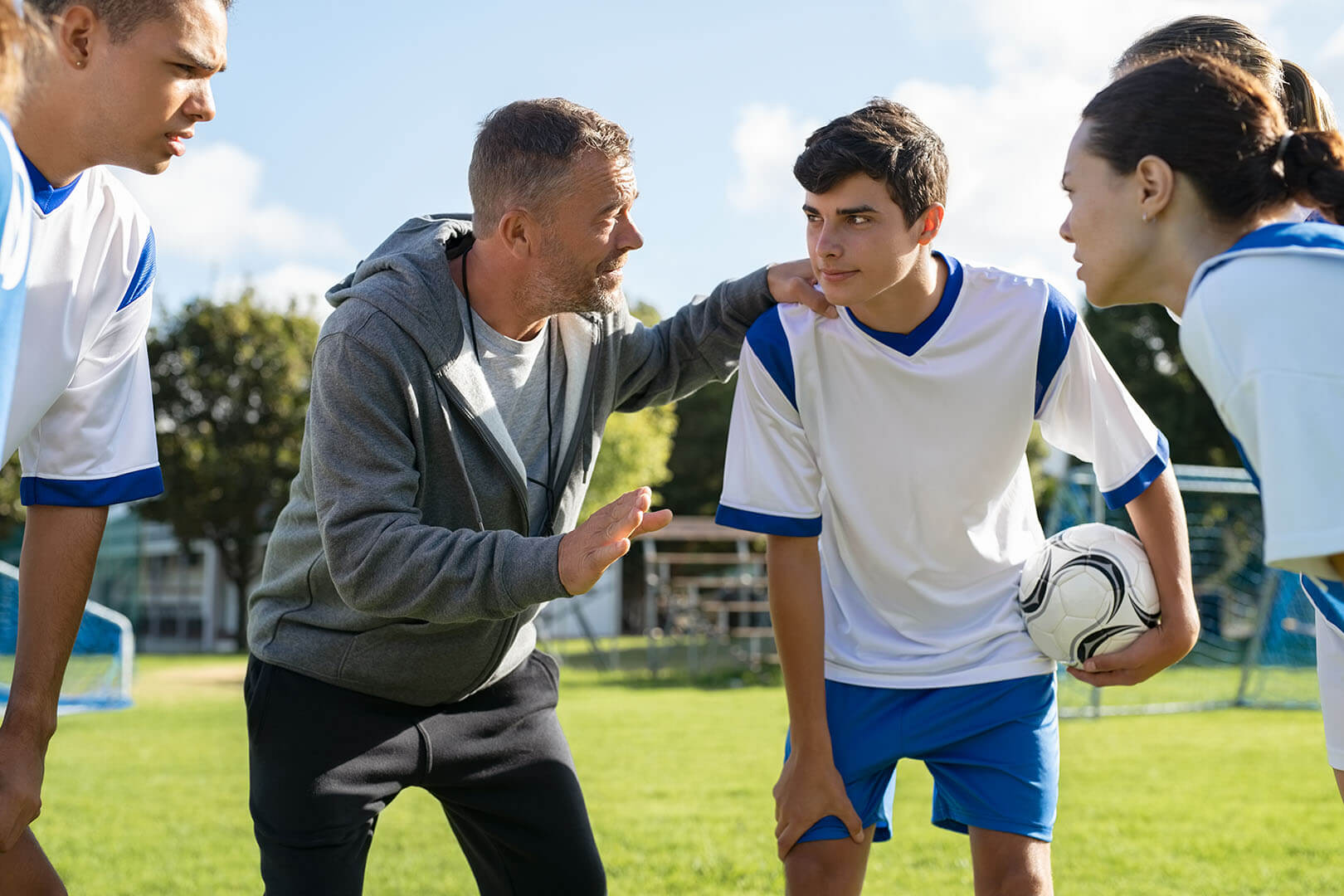
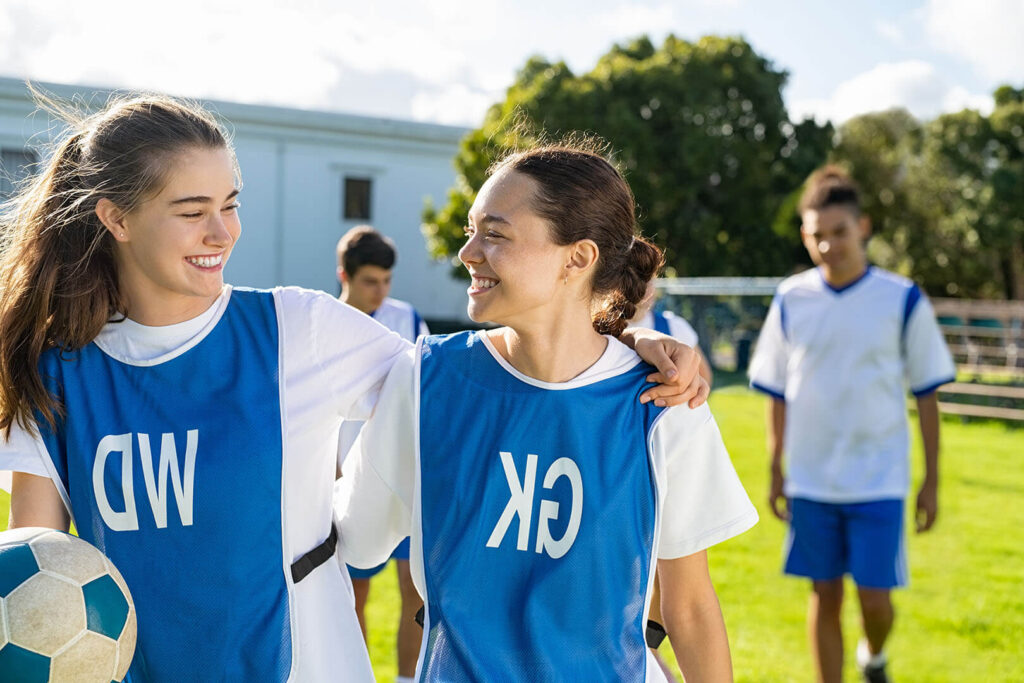
Outdoor play is much more than a chance for children to burn off energy. It provides valuable opportunities for learning, exploration, and development. Nature offers a rich environment where children can engage their senses, build physical skills, develop curiosity, and gain a deeper understanding of the world around them. By incorporating educational outdoor activities into a child’s routine, parents and caregivers can support learning while encouraging healthy, active lifestyles.
The Importance of Outdoor Learning
Children naturally learn through hands-on experiences. Outdoor environments provide endless opportunities for discovery and problem-solving that cannot always be replicated indoors. Whether observing insects, collecting leaves, or building structures with natural materials, children engage in meaningful learning experiences that promote cognitive, social, emotional, and physical development.
Outdoor learning also encourages children to become more independent, confident, and resilient as they interact with changing environments and new challenges.
Nature Walks and Exploration
Nature walks are one of the simplest and most effective outdoor learning activities. Children can observe plants, animals, weather patterns, and seasonal changes while developing observation and critical thinking skills.
Caregivers can encourage learning by asking open-ended questions such as:
- What colors do you see?
- How does the bark feel?
- Why do you think the leaves are changing color?
- What sounds can you hear around you?
These conversations help children build vocabulary, strengthen communication skills, and develop curiosity about the natural world.
Scavenger Hunts
Outdoor scavenger hunts turn exploration into an exciting learning adventure. Children can search for specific objects such as leaves, rocks, flowers, feathers, or insects.
Scavenger hunts help children:
- Improve observation skills
- Develop attention to detail
- Practice following instructions
- Build problem-solving abilities
- Learn about nature
The activity can be adapted for different ages and learning goals, making it a versatile educational tool.
Gardening Activities
Gardening provides children with hands-on experiences that teach responsibility, patience, and science concepts. Planting seeds, watering plants, and observing growth allow children to learn about life cycles and environmental stewardship.
Gardening also introduces important lessons about nutrition as children discover where fruits and vegetables come from.
Benefits of gardening include:
- Improved fine motor skills
- Increased responsibility
- Enhanced scientific understanding
- Greater appreciation for healthy foods
- Opportunities for sensory exploration
Outdoor Art Projects
Nature can inspire creativity in countless ways. Children can collect leaves, flowers, sticks, and stones to create unique art projects.
Outdoor art activities encourage:
- Creative thinking
- Fine motor development
- Self-expression
- Appreciation for natural materials
Children may enjoy making leaf rubbings, nature collages, painted rocks, or temporary artwork using found objects.
Physical Activities and Movement
Outdoor environments provide space for active play that supports physical development. Running, jumping, climbing, balancing, and throwing all contribute to improved coordination, strength, and motor skills.
Activities such as obstacle courses, relay races, and playground games help children develop confidence in their physical abilities while learning persistence and problem-solving.
Regular outdoor activity also supports overall health and well-being by encouraging movement and reducing sedentary behavior.
Learning Through Water Play
Water play offers numerous opportunities for scientific exploration and sensory learning. Children can experiment with pouring, measuring, floating, and sinking while developing early math and science concepts.
Water activities encourage:
- Observation
- Prediction
- Problem-solving
- Fine motor development
- Sensory exploration
Simple materials such as cups, containers, funnels, and floating objects can provide hours of educational play.
Exploring Weather and Seasons
Outdoor learning allows children to observe weather patterns and seasonal changes firsthand. They can track temperatures, watch clouds, measure rainfall, and discuss how weather affects plants and animals.
These experiences help children understand scientific concepts while building awareness of the environment.
Seasonal activities may include:
- Collecting autumn leaves
- Observing spring flowers
- Building snow structures
- Studying summer insects
Each season offers unique opportunities for learning and discovery.
Building with Natural Materials
Sticks, rocks, leaves, and logs can become valuable learning tools. Children can use natural materials to build structures, create patterns, and solve engineering challenges.
Building activities promote:
- Creativity
- Critical thinking
- Spatial awareness
- Teamwork
- Persistence
These experiences encourage children to experiment, test ideas, and learn from their successes and mistakes.
Encouraging Social Development Outdoors
Many outdoor activities naturally promote cooperation and communication. Whether working together on a scavenger hunt, building a fort, or gardening as a group, children practice sharing ideas, solving problems, and supporting one another.
These social interactions help develop important relationship-building skills that benefit children throughout life.
Supporting Emotional Well-Being
Spending time outdoors can have positive effects on children’s emotional health. Natural environments often provide calming experiences that reduce stress and encourage mindfulness.
Outdoor play allows children to explore freely, express creativity, and gain confidence through independent discovery.
Children who spend regular time outdoors often demonstrate increased focus, improved mood, and greater enthusiasm for learning.
Creating Daily Outdoor Learning Opportunities
Outdoor learning does not require elaborate equipment or extensive planning. Simple daily activities can provide meaningful educational experiences.
Families can encourage outdoor learning by:
- Taking regular walks
- Visiting local parks
- Exploring gardens
- Observing wildlife
- Playing active games
- Engaging in nature-based crafts
Consistency is more important than complexity when creating positive outdoor experiences.
Conclusion
Outdoor activities provide powerful learning opportunities that support every aspect of child development. Through exploration, movement, creativity, and hands-on experiences, children gain valuable skills while developing a deeper connection with the natural world. By incorporating outdoor learning into daily routines, parents and caregivers can foster curiosity, confidence, and a lifelong love of discovery.