 Touchline Sport
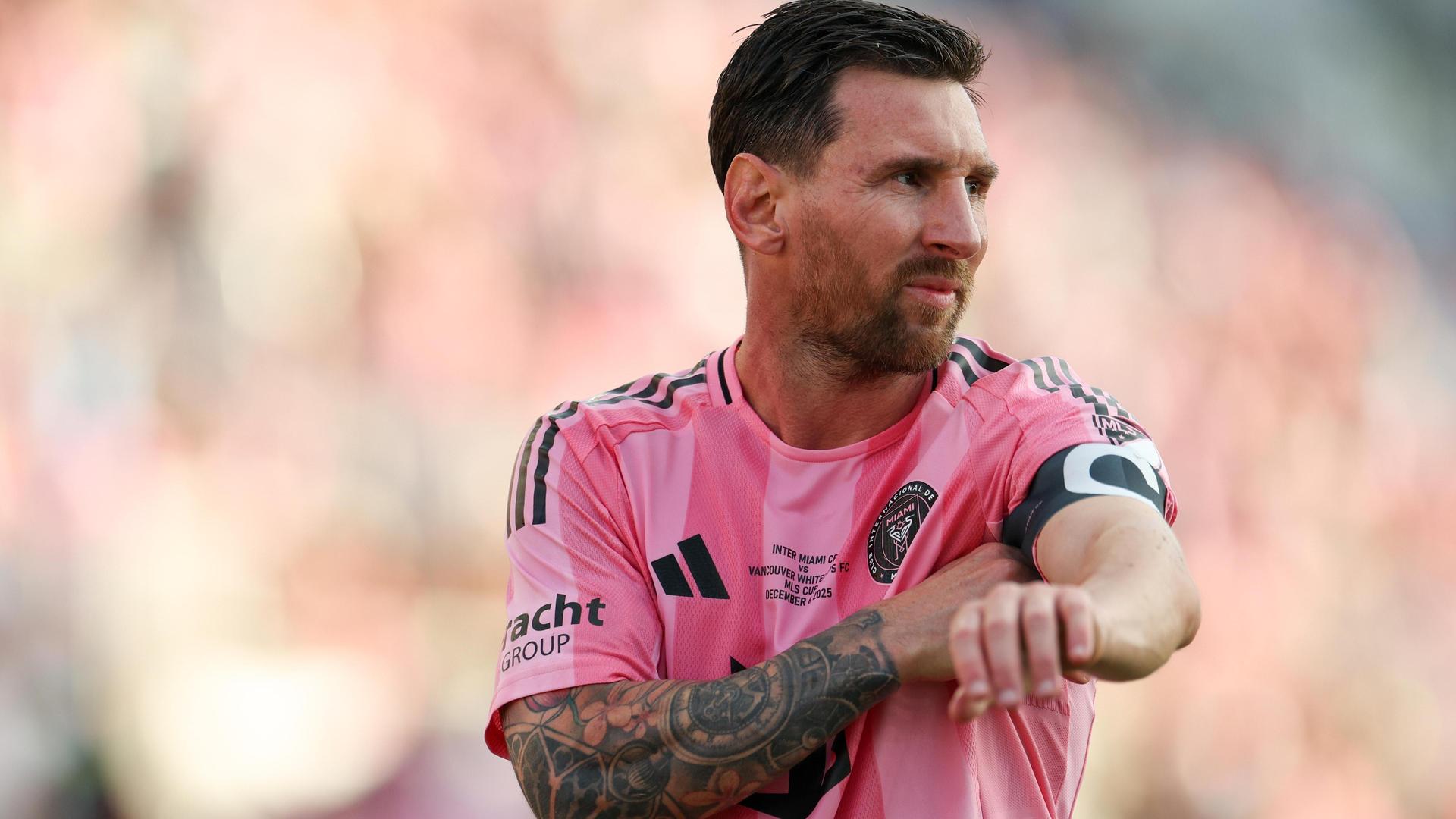
Lionel Messi will play for Argentina for the 208th and final time tonight, and Buenos Aires has given up any pretence that this is a normal October friendly.
The eight-time Ballon d’Or winner faces Benin at the Monumental with 207 caps, 125 goals and 66 assists already behind him. Kick-off is at 8pm local time, midnight in Ireland, but the farewell started eight hours earlier.
The Argentine Football Association has organised a 12-hour “Gracias, Leo” festival at the University of Buenos Aires, running from midday until midnight with live music, food, games and a giant-screen broadcast of the match. Supporters can have their picture taken alongside Argentina’s World Cup, Copa América and Finalissima trophies, while giant inflatable No.10 shirts and trophies are spread around the site.
Then everyone moves on to the Monumental, where there will be music, fireworks and a drone show around the game. Argentina will wear a special shirt for Messi’s final appearance, tickets sold out well in advance and members of the 2022 World Cup-winning squad have been invited back with their families.
For a friendly against Benin, they haven’t exactly kept things low-key.
It feels appropriate given how complicated Messi’s relationship with Argentina once was. For years, every disappointing tournament reopened the same conversation. Why did the Messi who looked almost untouchable at Barcelona never seem to have the same effect for his country? Why wasn’t he Maradona? When would he finally win something?
The comparisons became exhausting, but the defeats kept feeding them. Argentina lost the 2014 World Cup final before suffering Copa América final defeats in 2015 and 2016. After the latter, Messi briefly retired from international football at just 29.
By then he was already one of the greatest players the game had seen, yet there was still a strange sense that his Argentina career needed fixing.
The final years took care of that.
Argentina beat Brazil at the Maracanã to win the Copa América in 2021, added the Finalissima and World Cup in 2022, retained the Copa América two years later and reached another World Cup final this summer before losing to Spain.
Somewhere along the way, the old argument disappeared. There was no longer much point asking whether Messi could do it for Argentina when the answer included a World Cup, two Copa Américas and several million people filling the streets of Buenos Aires.
For plenty of supporters, the GOAT debate had already been settled years earlier. For Argentina, Qatar removed the last bit of paperwork.
His decision to retire followed that latest World Cup final. Messi wrote his letter two days after the defeat before publishing it on 31 August, saying:
“I have no more to give.”
He also spoke about the younger players coming behind him, which is where Argentina’s attention will turn once tonight is over.
AFA president Claudio Tapia and Lionel Scaloni persuaded Messi to return for one final appearance at home, giving Argentina the chance to stage the goodbye that was never really possible after a World Cup final played thousands of kilometres away.
It also gives Scaloni one last night before the post-Messi era becomes permanent.
Argentina have already had a glimpse of it, beating Bolivia 4-0 and Burkina Faso 7-0 in their first two games after the World Cup. The opposition puts an obvious limit on what can be read into those results, but Scaloni has used the games to bring younger players into a team that already has Enzo Fernández, Alexis Mac Allister, Julián Álvarez and Cristian Romero at its core.
There is enough there to build around. What Argentina cannot do is spend the next few years searching for another version of Messi, because there isn’t one.
Scaloni’s job is to keep the identity that developed around him. Argentina still want the ball, still want to combine through midfield and still have a group young enough to carry the side into another cycle. Messi became the face of this team, but the team around him became good enough that he no longer had to solve everything himself.
It is probably one of the reasons this goodbye feels celebratory rather than nervous.
There will be questions tomorrow about who takes the shirt, who carries the creative load and whether Argentina can remain among the world’s best without the player who defined the national team for two decades.
Those can wait.
Messi’s first Argentina appearance lasted less than a minute before he was sent off against Hungary in 2005.
For the last one, Argentina have cleared the entire day.
If this one landed, the newsletter’s where the rest of it lives — two or three pieces a week, no noise.
Subscribe