 Touchline Sport
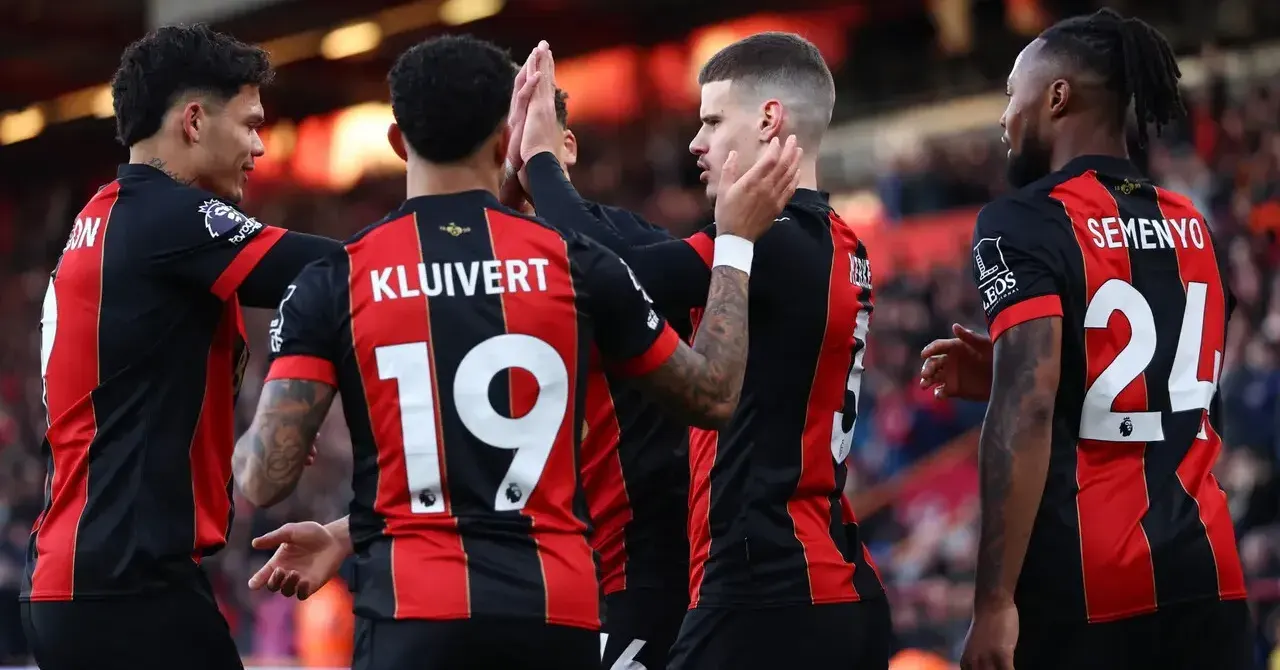
How does a club go from Steve Cook to producing a Real Madrid defender, a PSG centre-back and signing a former Golden Boy nominee within half a decade?
That isn’t meant as an insult to Cook. He played nearly 400 times for Bournemouth, followed them from League One to the Premier League and would probably head away a fridge if it was delivered into his penalty area. He represents one of the greatest periods in the club’s history.
It is just that Bournemouth’s centre-back department looks slightly different now.
Dean Huijsen joined from Juventus, spent one season at Dean Court and was then bought by Real Madrid after they activated his £50 million release clause. Illia Zabarnyi moved to European champions Paris Saint-Germain in a deal reportedly worth £54.5 million. Now Bournemouth have signed António Silva, a 22-year-old Portugal international who once had a €100 million release clause at Benfica.
Benfica confirmed that Bournemouth will pay €25 million up front, potentially rising to €30 million. This is not quite an £87 million footballer being discovered in the reduced aisle. Release clauses are not genuine valuations, and Chelsea being linked with a player does not mean Todd Boehly arrived outside the stadium carrying a novelty cheque.
Still, it is some signing.
The better question is how a club with the Premier League’s smallest ground became so good at finding players that football’s richest clubs eventually want.
The Club That Was Once Minus 17
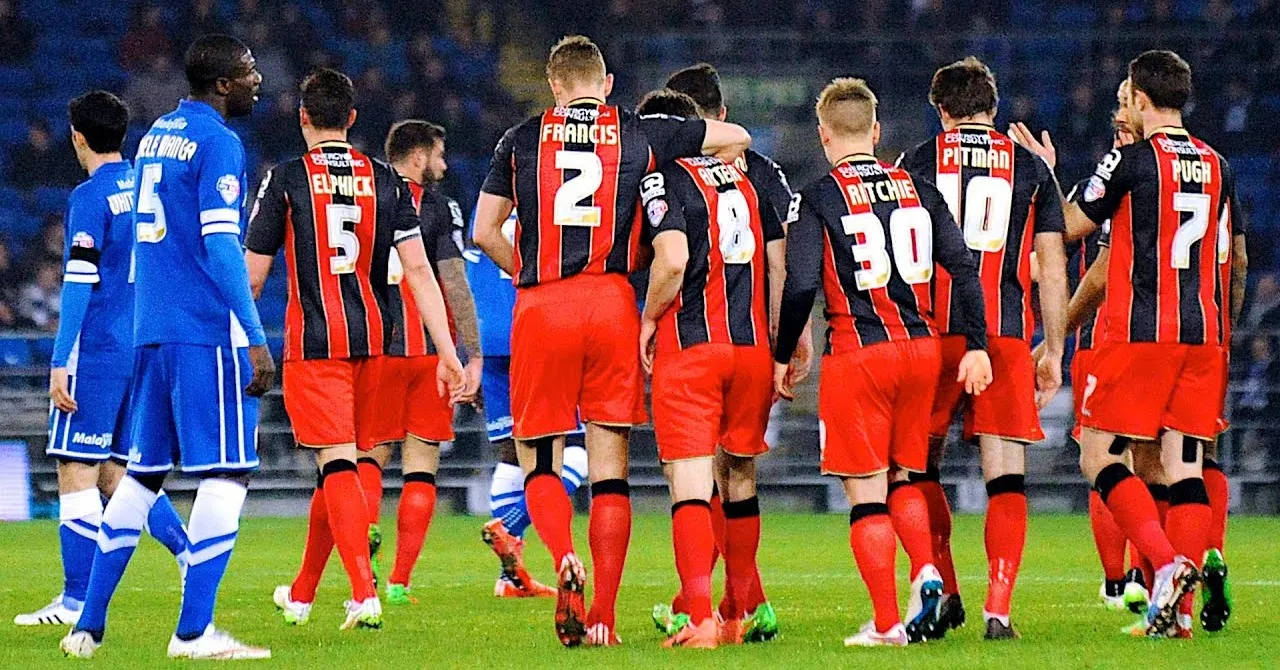
Bournemouth’s modern success can make their recent history feel much further away than it really is.
In 2008, the club entered administration, received a ten-point deduction and were relegated from League One. They began the following season in League Two on minus 17 points, with debts hanging over the club and their Football League place under serious threat.
Eddie Howe took permanent charge in January 2009 at the age of 31 and kept them up. Bournemouth did not even reach zero points until December, which is not normally how promotion stories begin. Within six years, Howe had taken the club into the Premier League for the first time.
Steve Cook, Charlie Daniels, Simon Francis, Harry Arter and Marc Pugh became part of a side that supporters could recognise themselves in. They were not assembled to create future transfer profit. They grew with the club and carried it through the divisions.
That part of Bournemouth has not disappeared.
Dean Court still sits inside Kings Park, surrounded by trees, houses and an athletics track. The stadium holds a little over 11,000 supporters. Larger Premier League clubs probably have hospitality areas that could apply for planning permission against it.
Bournemouth sold the ground in 2005 during a period of financial trouble. Under Bill Foley, they bought it back in 2025 and announced plans for phased redevelopment. The first stage is far more Bournemouth than Tottenham Hotspur, adding around 1,500 seats rather than dropping a spaceship into the local park.
The ground remains small. The club’s thinking no longer is.
Bournemouth finished sixth in the 2025/26 Premier League season and qualified for European competition for the first time in their 127-year history. Thirteen years earlier, they were playing in League One.
Buying Before Everyone Else Is Certain
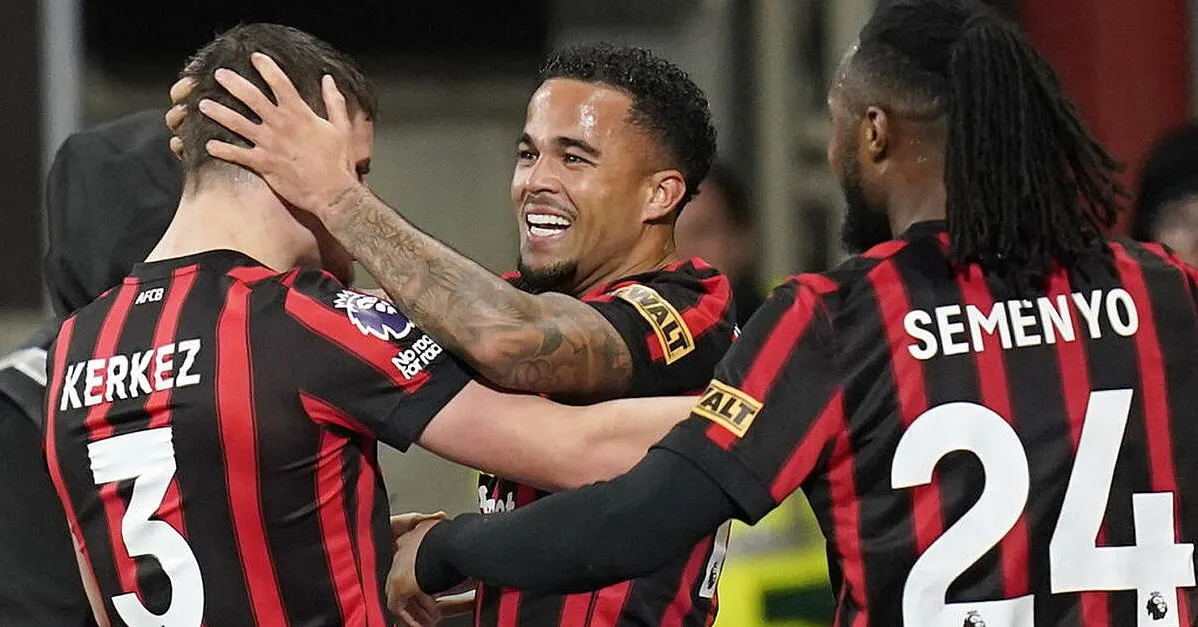
Bournemouth are often described as bargain hunters, but that gives the impression that all of this has been built with careful scouting and whatever was left in the petty cash.
Foley has invested heavily since completing his takeover in December 2022. The club have spent serious transfer fees, opened a new training centre and created a larger football operation around president of football operations Tiago Pinto, technical director Simon Francis and chief executive Neill Blake. Pinto was brought in to oversee recruitment as part of the new structure.
This is not Leicester winning the league on a collection of free transfers and positive thinking.
Bournemouth have money. Their strength has been knowing where to put it.
Huijsen was not hidden. He belonged to Juventus, had played on loan at Roma and was already regarded as one of Europe’s better young defenders. Bournemouth paid around £12.6 million because they were willing to give him something larger clubs could not promise: Premier League football every week.
One season later, he was signing for Real Madrid.
Milos Kerkez followed a similar route. Bournemouth bought him from AZ Alkmaar for roughly £15 million in 2023. Two years later, Liverpool paid £40 million for him. Zabarnyi arrived from Dynamo Kyiv as a 20-year-old Ukraine international and left for PSG after developing into one of the best young defenders in England.
Bournemouth did not discover that these players were talented. Plenty of clubs knew that.
They were prepared to buy while questions still remained.
Can he handle the Premier League? Is he ready to start every week? Is he physically strong enough? Has he played enough senior football? Why is Juventus willing to sell him?
Once every recruitment department agrees on the answers, the player generally costs £50 million. Bournemouth are willing to enter the conversation earlier.
More Than One Type of Value
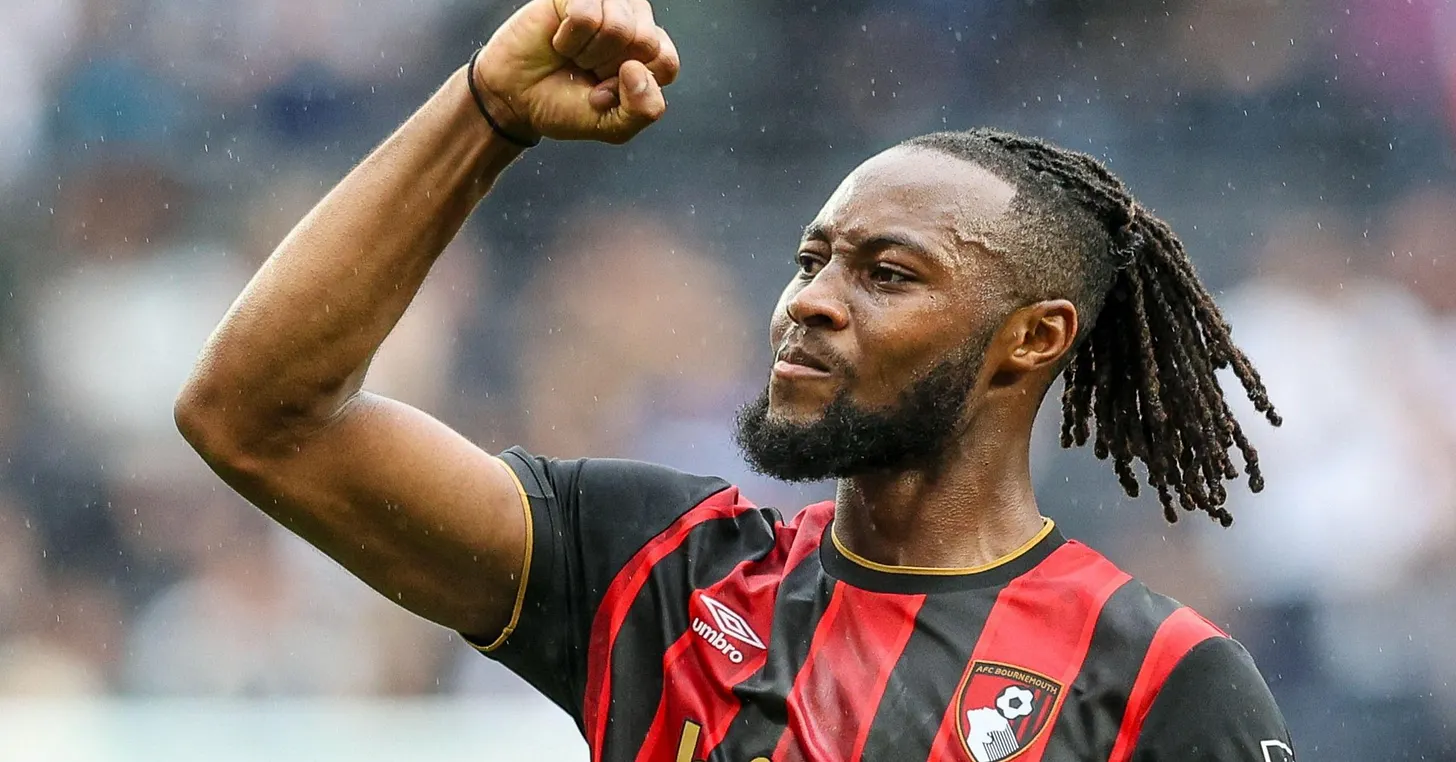
Antoine Semenyo is perhaps the clearest example of Bournemouth’s ability to see what a player could become.
He joined from Bristol City in January 2023 after a career that included loans at Bath City, Newport County and Sunderland. He was quick, powerful and direct, but he was not arriving as one of Europe’s elite forwards.
At Bournemouth, Semenyo became one of the Premier League’s most difficult attackers to defend. He could carry the ball, play from either side and shoot with both feet. By January 2026, Manchester City had seen enough and signed him on a five-and-a-half-year contract.
Justin Kluivert was a different sort of gamble.
Everyone knew the surname. Everyone knew the talent. The issue was that his career had begun to resemble a particularly ambitious Interrail trip. Ajax, Roma, Leipzig, Nice and Valencia had all come and gone before Bournemouth signed him.
They did not find an unknown footballer. They found a known footballer whose career needed somewhere to stop moving.
Under Andoni Iraola, Kluivert was given a settled role and became a reliable Premier League attacker. Bournemouth’s recruitment is not only about spotting young players before a major breakthrough. It is also about finding players whose reputation has fallen faster than their ability.
Silva fits somewhere between the two.
He was named among Europe’s best young players after breaking into Benfica’s senior side and played for Portugal at the 2022 World Cup. His progress then slowed, his position at Benfica became less secure and that €100 million clause began to look more like a historical curiosity than a likely fee.
Bournemouth saw the gap between the player Silva had been expected to become and the price Benfica were now willing to accept.
That gap is where good recruitment normally lives.
Iraola Made the Players Worth More
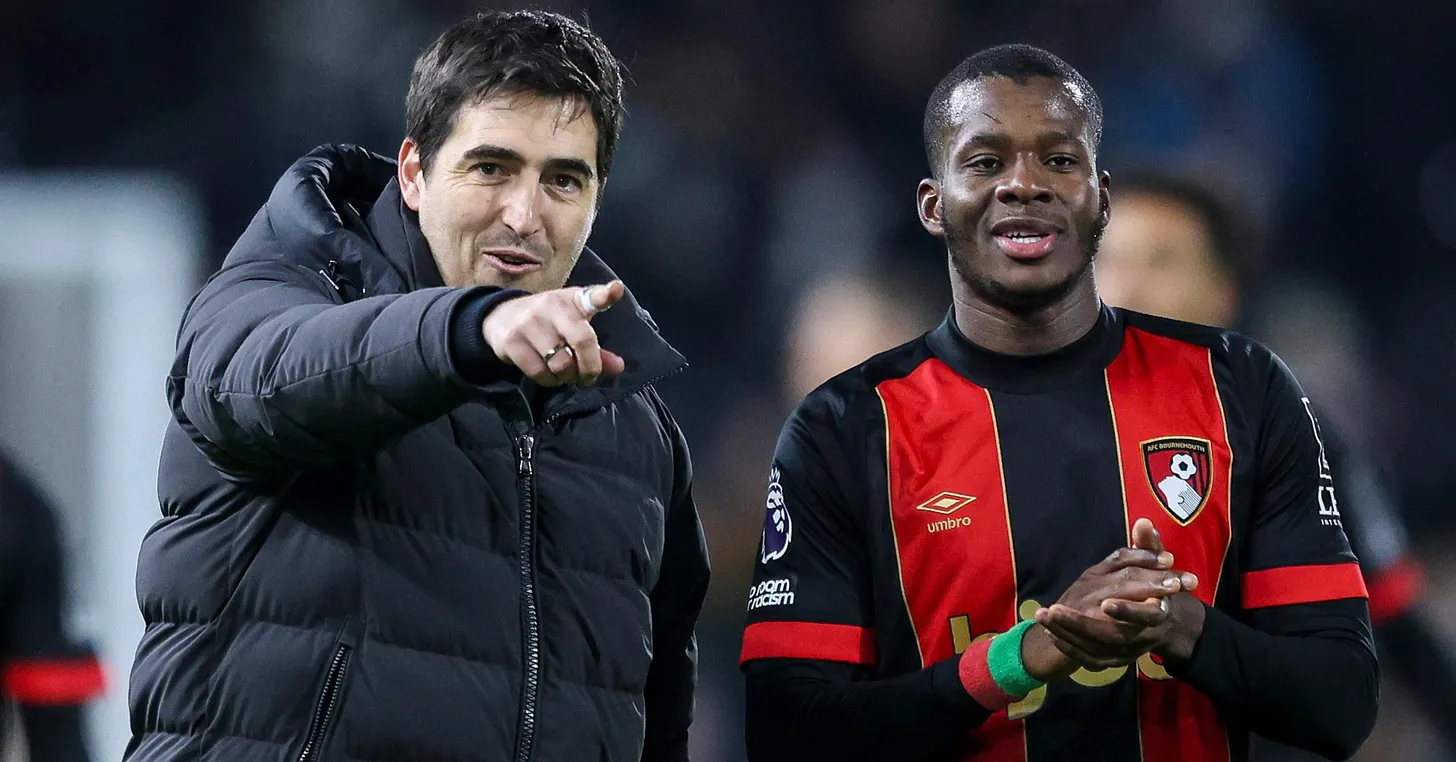
A recruitment department can identify all the talent it likes. Somebody still has to make the team work.
Iraola arrived in 2023 after Bournemouth dismissed Gary O’Neil despite him keeping the club in the Premier League. It looked harsh. Survival usually earns a manager a new contract, a round of applause and the right to sign at least one experienced midfielder he previously worked with.
Foley wanted Bournemouth to become more aggressive and proactive.
The start was uncomfortable. Iraola did not win any of his first nine Premier League matches. Bournemouth stayed patient, and the decision paid off. They finished 12th in his first season, ninth in his second and sixth in his third.
His football suited the recruitment perfectly. Bournemouth pressed high, attacked quickly and trusted defenders to handle large spaces. Kerkez could charge forward. Huijsen could step into midfield and pass through pressure. Semenyo had the freedom to run directly at defenders and ruin their afternoon.
The system did not simply produce better results. It gave talented players a stage on which their strengths were obvious.
That relationship between recruitment and coaching is often missed. Bournemouth were not just buying assets and waiting for the price to rise. They were putting players into football that made them more useful and, naturally enough, more valuable.
The challenge now is keeping that connection intact. Iraola has left after delivering Europe, while the players who helped build the team continue to attract interest.
A smart recruitment model can survive one sale. Surviving four or five at once is different. Eventually, one replacement needs longer than expected, another fails to settle and the league table refuses to wait for the resale strategy to mature.
Silva therefore represents more than another clever transfer. He is evidence that Bournemouth can now attract players with Champions League and international experience. He is also another test of whether the club can keep replacing the talent that made it successful.
Supporters will walk through Kings Park next season towards the same small ground Bournemouth once had to sell. Inside, they will watch a Portugal international signed from Benfica prepare for European football.
Steve Cook would probably still head away that fridge.
Bournemouth have just learned how to sell the fridge for £50 million afterwards.
If this one landed, the newsletter’s where the rest of it lives — two or three pieces a week, no noise.
Subscribe